SERVICES
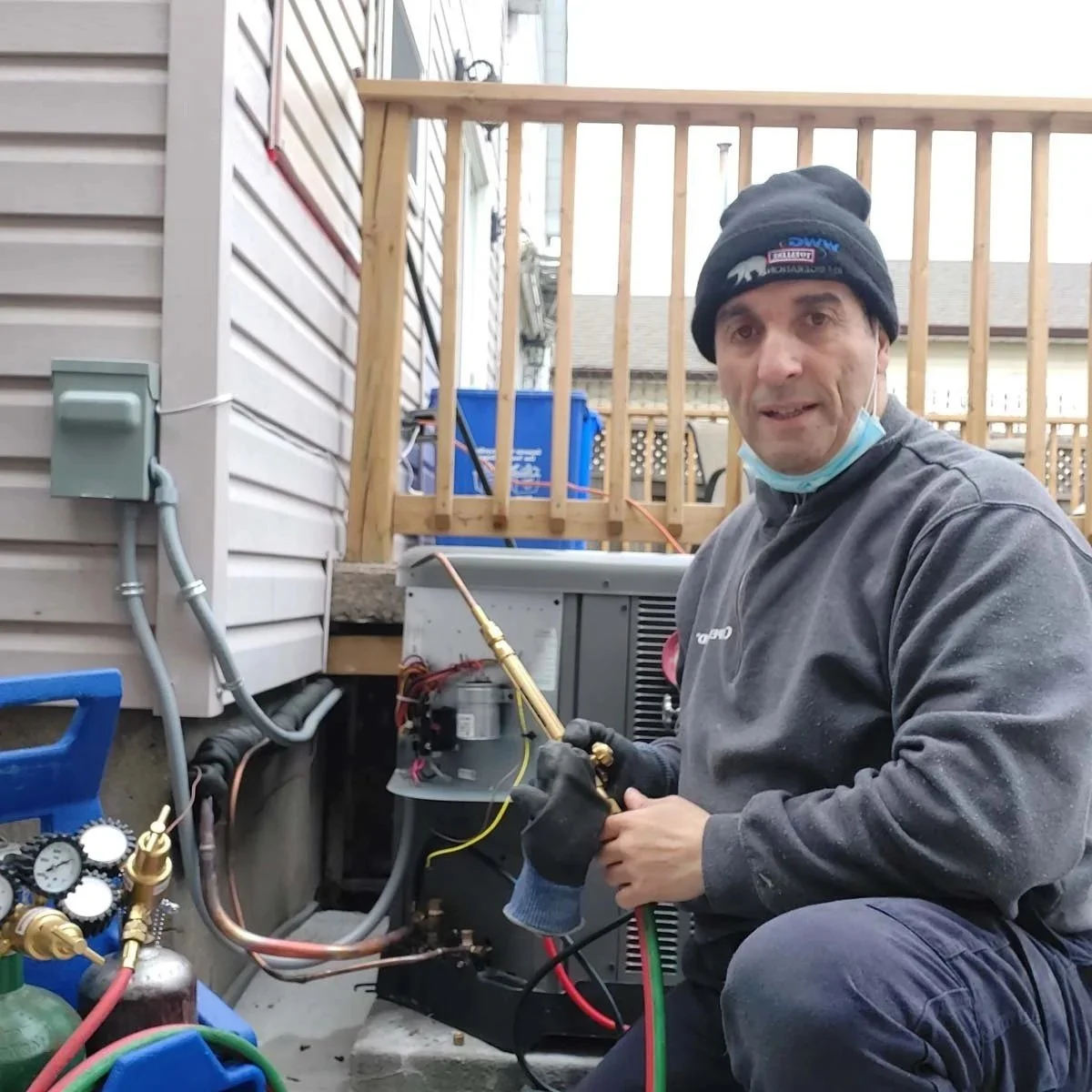
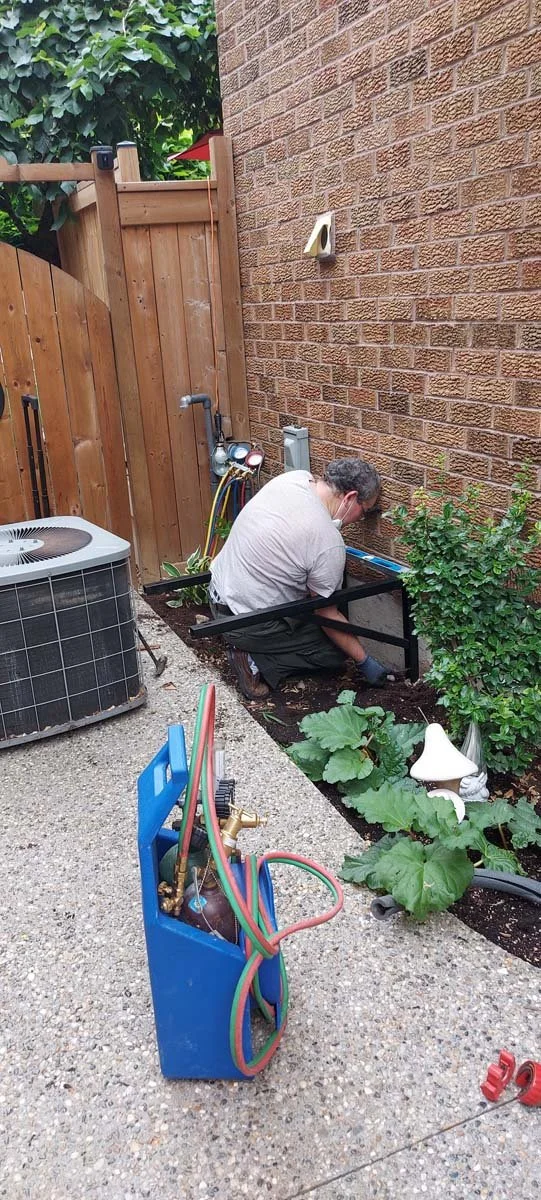
Mak Refrigeration team, install, maintain, and repair Regardless of where you buy it, we’ll service it.
HVAC Residential
Our Services
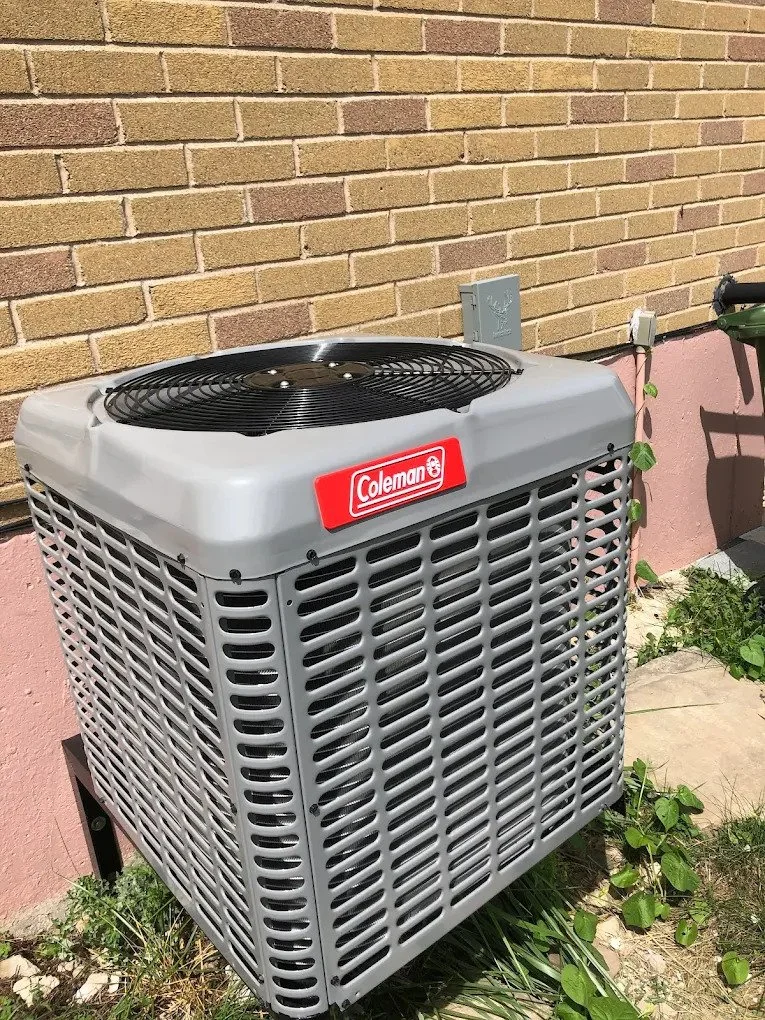
We specialize in the installation and maintenance of high-efficiency cooling systems designed to provide reliable temperature control while keeping your energy costs low.
Air Conditioning Units
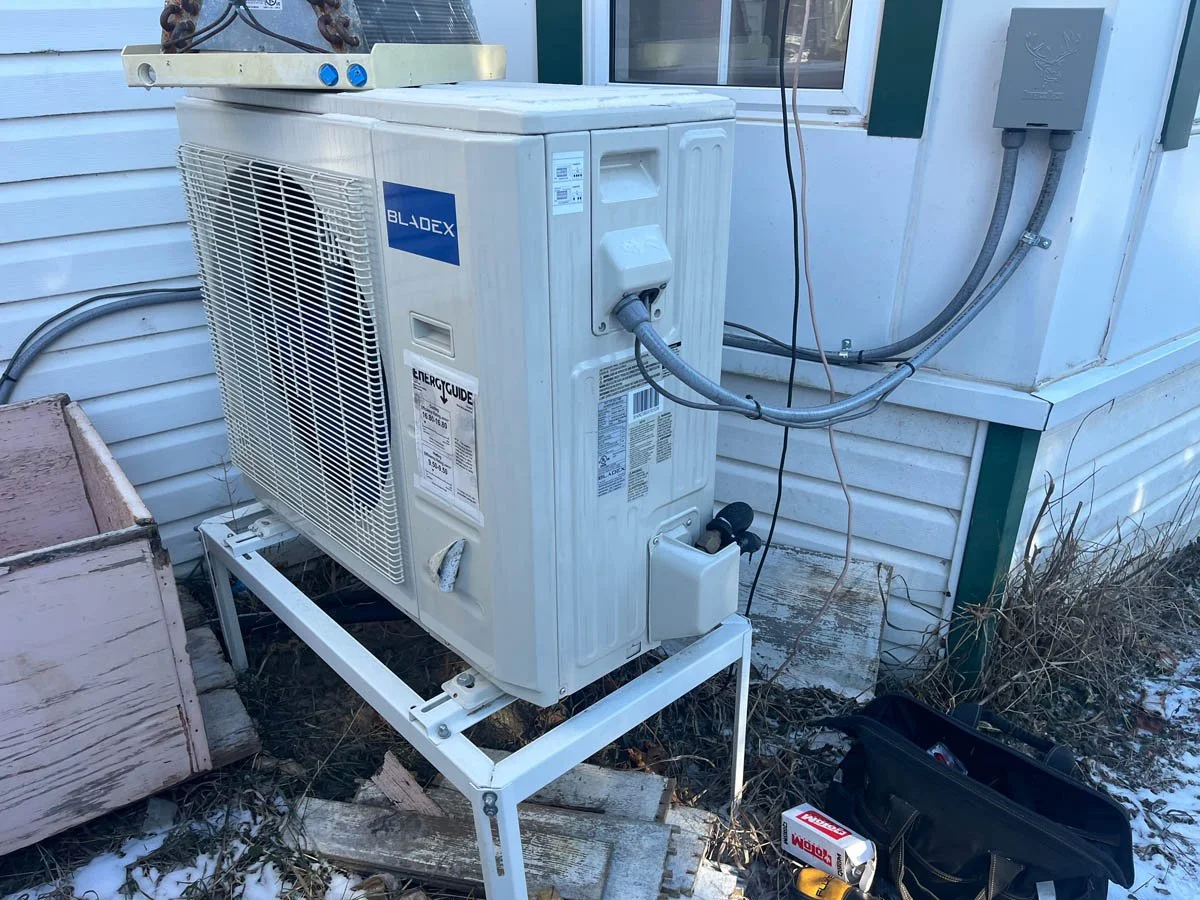
Our modern heat pump systems provide both powerful cooling in the summer and efficient heating in the winter, making them a versatile choice for any home or secondary suite.
Heat Pumps
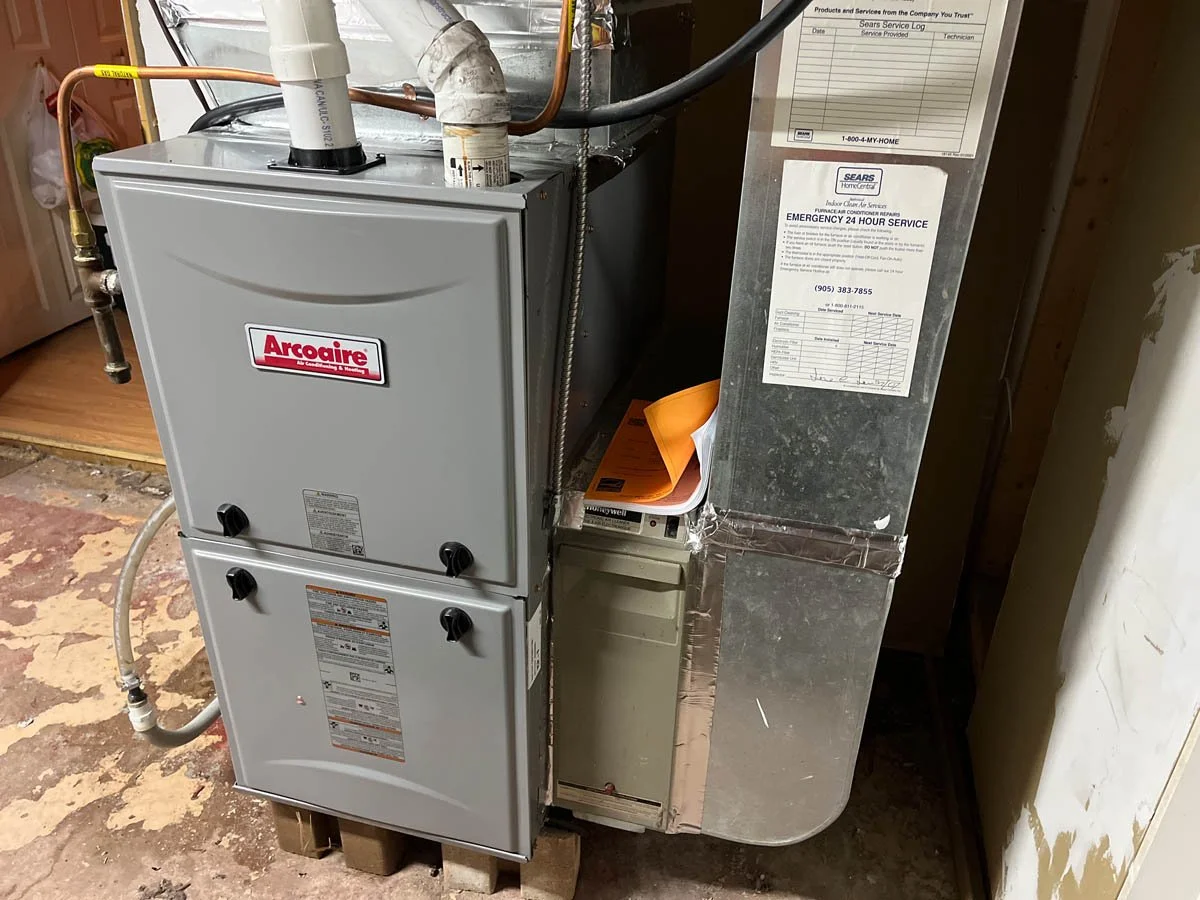
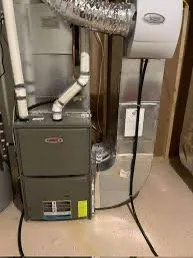
We install and service high-performance furnaces that deliver consistent heat distribution, ensuring your home remains a cozy retreat regardless of the temperature outside.
Oil/Gas Furnaces
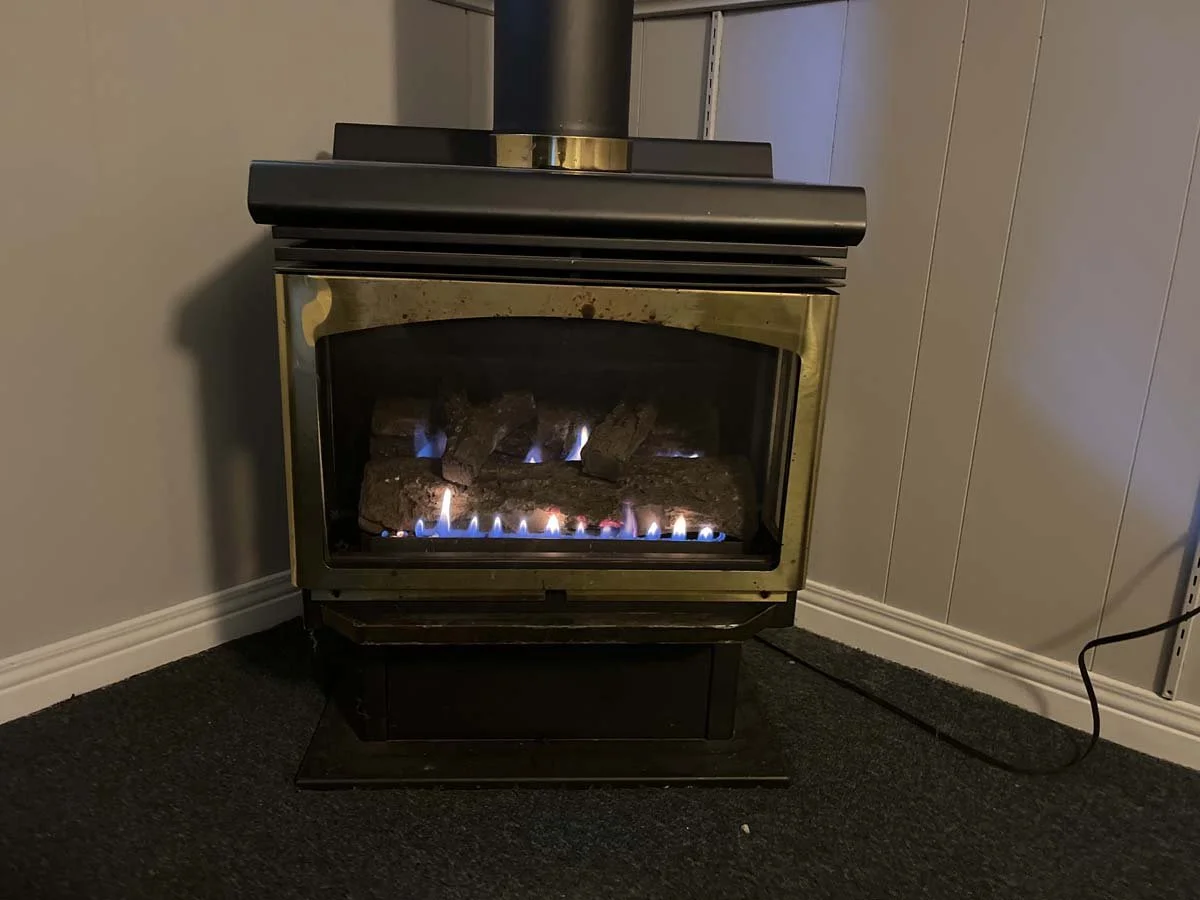
Electric units provide a vent-free, clean-energy solution for localized warmth and fireplace ambiance. For total home comfort, we offer central AC systems that utilize ductwork to cool every room efficiently.
Electric Units
COMMON PROBLEMS
Common Air Conditioning Unit Problems
-
A refrigerant leak may not always be easily spotted. However, there are ways to keep an eye on your unit to make sure there’s no leakage. First thing’s first, if you notice a lack of cool air in your home, check the unit. Contrary to popular belief, AC units don’t create cold air, they just filter out the warm air. They do this using refrigerant, and if you’re running low, the unit won’t work to its maximum capacity. If you’re using an indoor unit, listen for a hissing sound. Generally refrigerant leaks through tiny holes in your unit, and in doing so, create a subtle hissing sound. Regardless of the unit you’re using, check on your coils. If your system is not removing enough air from your home the coils will begin to freeze.
If all else fails, check your electricity bill. Leaking refrigerant requires the system to work with a lot less to cool your entire home. This means it needs more energy and time, hence the high electricity bill.
-
If the air quality in your home is suffering, chances are your AC Unit’s filter needs to be cleaned or replaced altogether. The AC filter works like any other filter. As the system draws in air, the filter lets air through and blocks dust, dirt, grime, and anything else that enters the system. Over time the filter will collect a lot of material and make the process of sucking in air a lot harder. Not only will your air quality suffer, but your electricity bill will go up and the lifespan of your unit will go down as it needs to work so much harder.
-
If your air conditioning unit is not working at all, chances are you have a damaged condenser fan. Make sure that the unit is getting power. If it is, and the fan is still not running, you’ll need to get it repaired or replaced. One of the primary and perhaps most common explanations for a broken condenser fan is motor malfunction. For perspective, the motor is the component in your AC unit that spins the fan. If the motor malfunctions, it’s going to cause damage to the condenser fan as they are directly connected. The HVAC technician that services your unit will likely need to repair or replace both the fan and the motor.
-
A broken thermostat sensor is often the root cause of a variety of issues. If your AC unit seems to be running at temperatures other than that of which you selected, or is not running at all, chances are you’ll need to take a look at your thermostat sensors. This particular job, like the others, requires the expertise of a trained HVAC technician. Fortunately, faulty sensors are relatively easy for a trained service technician to fix or replace.
-
If the interior of your home begins to smell bad or feels very humid, you may want to check your drainage system. The coils in your AC unit produce a lot of moisture and condensation. If said condensation is not drained properly you could be faced with mold and algae build up. Condensation may not drain if your drainage system is clogged with material or is simply blocked by an object.
Are you experiencing another problem?
Our team will answer all your questions.
We ensure a quick response.
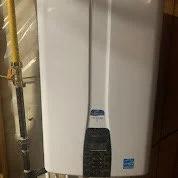
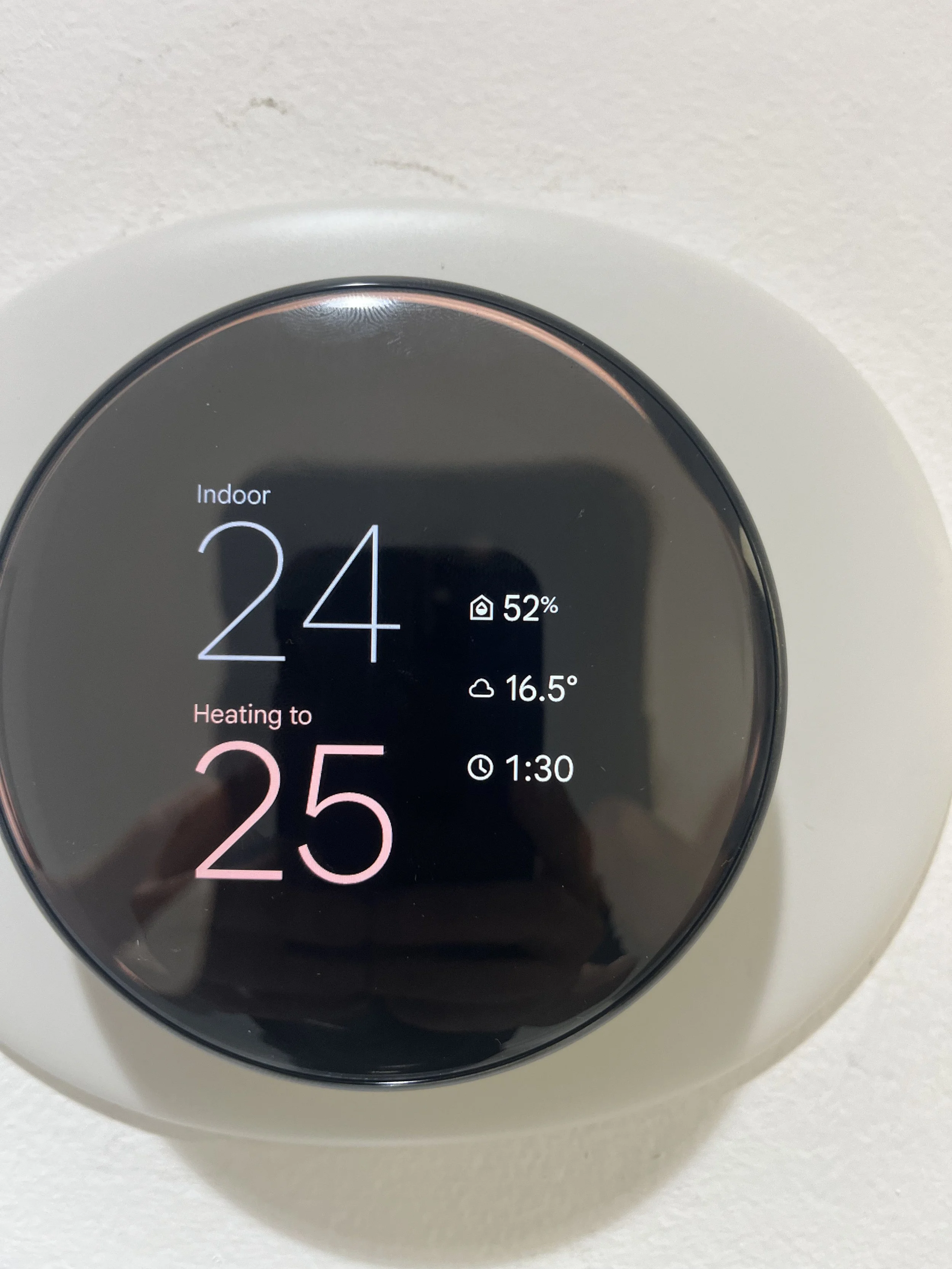
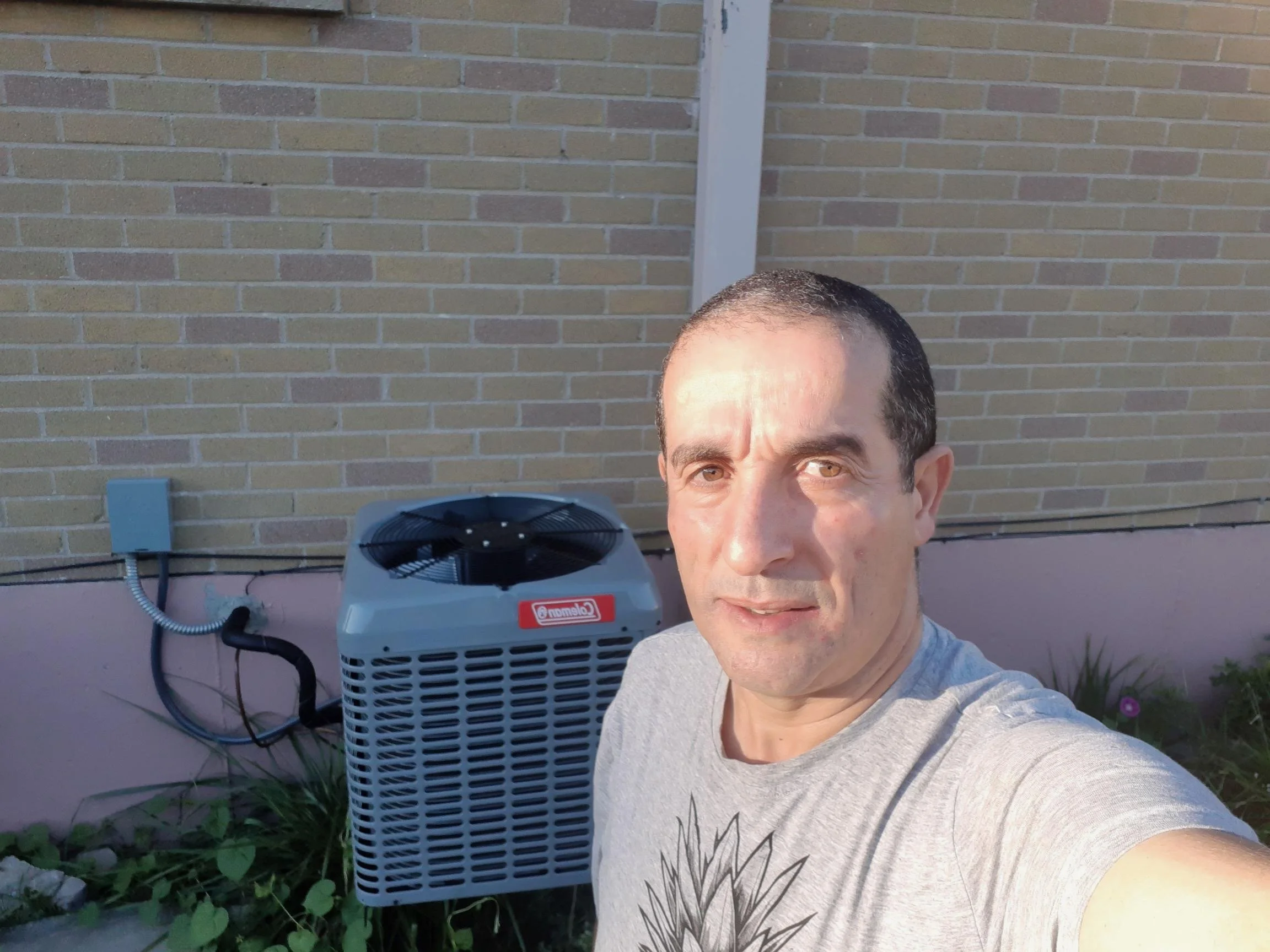
Trusted Brands We Service



BOOK AN APPOINTMENT
Effortless Online Booking